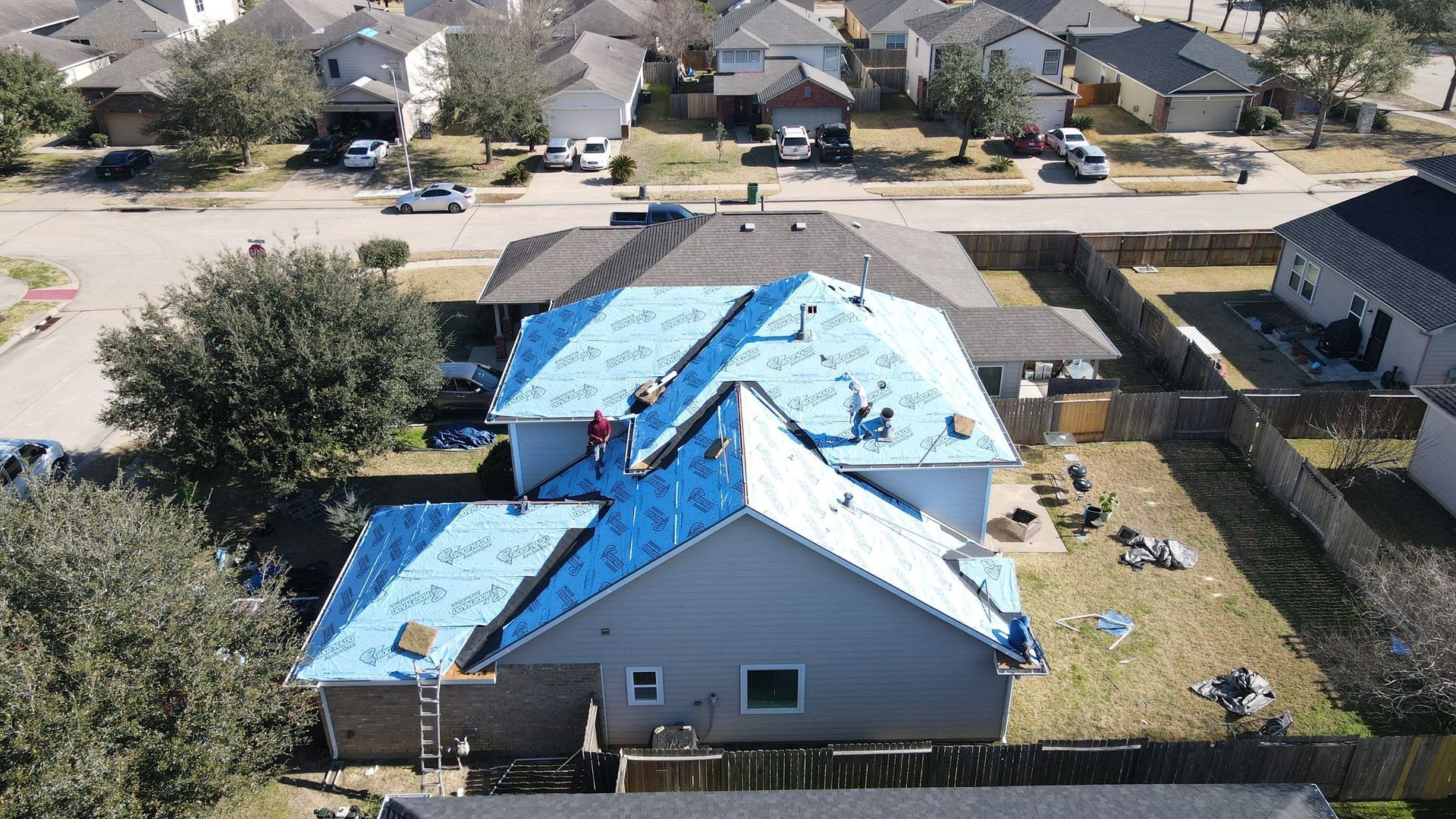
What Is Roof Flashing and Why Is It So Important for Houston Homes?
Most Houston homeowners think about shingles, gutters, or roof vents when trying to figure out how to best prevent unnecessary water and weather damage to their homes. However, one of the most important parts of any roofing system is something many people have never heard of: roof flashing. Understanding roof flashing can help you protect your home and better prevent expensive repairs.
What Is Roof Flashing?
Roof flashing is a thin material, usually made from galvanized steel, aluminum, or copper, that is installed in specific areas of your roof to prevent water from entering your home. Flashing directs water away from vulnerable areas where the roof meets other structures.
These areas include:
- Around chimneys
- Along roof valleys
- Around skylights
- Around roof vents and pipes
- Where the roof meets a wall
Without flashing, water could easily seep into these joints and cause serious structural damage over time.
Why Roof Flashing Is So Important in Houston
Houston’s climate makes roof flashing especially important. With frequent rainstorms, hurricane season, and high humidity, roofs in the area face constant exposure to moisture.
Properly installed flashing helps:
Prevent Water Leaks
Flashing creates a waterproof barrier in areas where leaks are most likely to occur. This protects your attic, insulation, and ceilings from water damage.
Protect Your Home’s Structure
Water intrusion can weaken wood framing, roof decking, and drywall. Flashing helps keep moisture out, preserving the structural integrity of your home.
Prevent Mold and Mildew
Houston’s humid climate already creates the perfect environment for mold growth. Roof leaks can accelerate mold problems inside your attic and walls.
Extend the Life of Your Roof
A well-installed flashing system helps your entire roofing system last longer by reducing water-related wear and tear.
Types of Roof Flashing
Professional roofing contractors in Houston commonly install several types of flashing depending on the roof design.
Step Flashing
Used where the roof meets vertical walls. Each piece overlaps the shingle below it to guide water safely away.
Valley Flashing
Installed in roof valleys where two slopes meet. These areas carry large amounts of rainwater during storms.
Chimney Flashing
Protects the area where the chimney meets the roof, one of the most common leak locations.
Vent Pipe Flashing
Seals the area around plumbing vents and roof penetrations.
Signs Your Roof Flashing May Be Failing
Houston homeowners should keep an eye out for warning signs that flashing may need repair or replacement:
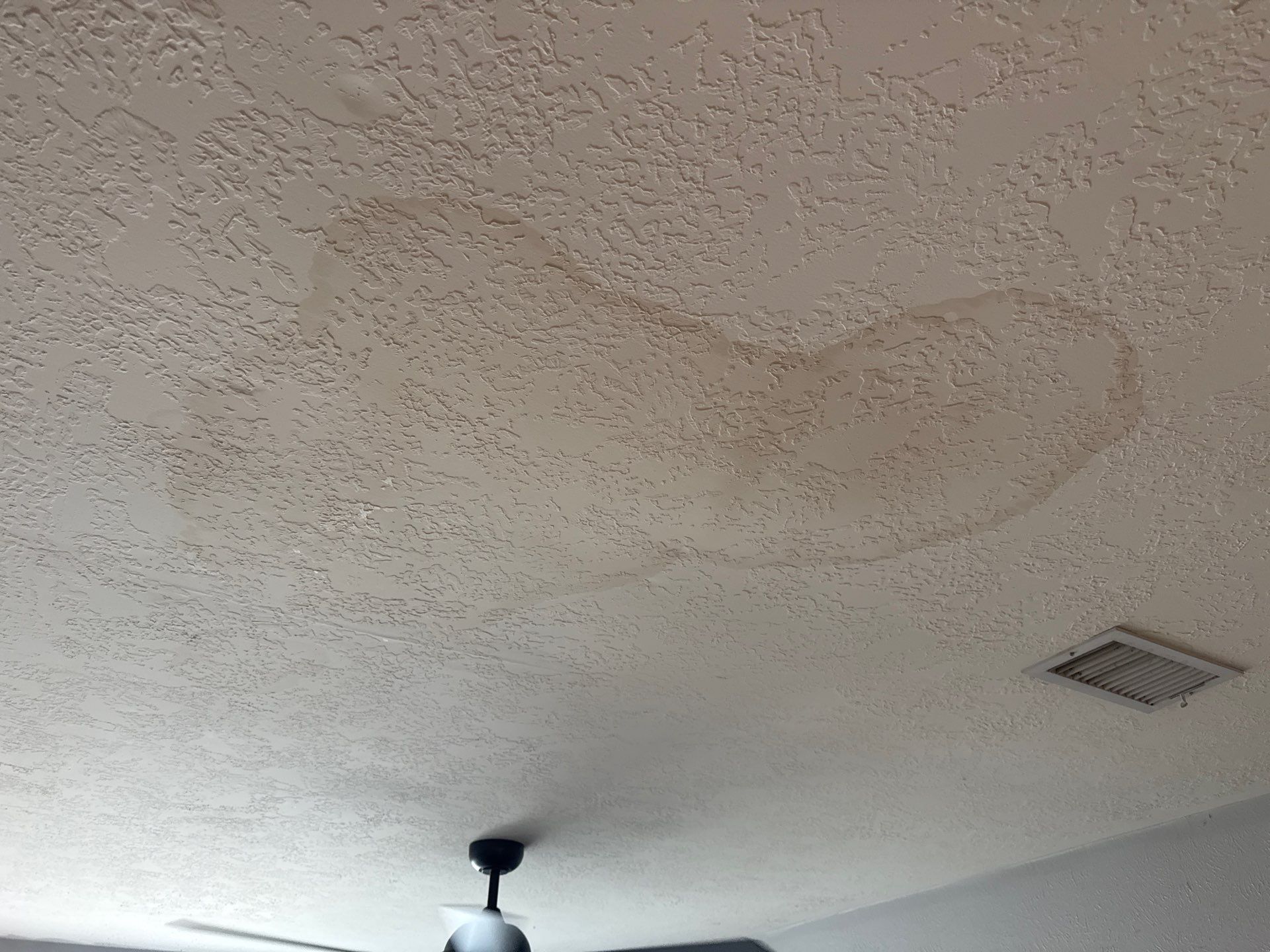
- Water stains on ceilings or walls
- Rusted or cracked metal flashing
- Missing or loose flashing pieces
- Leaks around chimneys, vents, or skylights
- Shingles lifting near flashing areas
If you notice any of these signs, it’s best to have a professional Houston roofing contractor inspect your roof as soon as possible.
Schedule a Roof Inspection in Houston
Roof flashing may seem like a small detail, but it plays a huge role in protecting your home from water damage. Regular roof inspections help make sure flashing is properly sealed and functioning as it should.
If you live in the Houston area and want to protect your roof from leaks, storms, and humidity, working with a trusted Houston roofing professional can help keep your home safe year-round.
A quick inspection today could save you from major roof repairs tomorrow!